
Step 1: Decide Whether a Guardianship Is Needed
Before anything is filed, take a hard look at the person's needs and the options available. Can they still sign a power of attorney? Would a supported decision-making agreement or a representative payee solve the problem? A court must find that alternatives were considered and are not feasible, so this step is not just good practice. It becomes part of your case. Our page on alternatives to guardianship covers the options.
It also helps to decide early what kind of guardianship you are seeking: guardian of the person, guardian of the estate, or both, and whether a limited guardianship would meet the person's needs.
Step 2: The Physician's Certificate
For an adult, the court typically requires a written certificate from a physician licensed in Texas who has examined the proposed ward within a set period before the application is filed (generally within 120 days). The certificate describes the person's condition, how it affects their ability to make decisions and care for themselves, whether they can attend the hearing, and whether improvement is expected. Many courts use a standard form.
When the incapacity is based on an intellectual disability, the court will also expect a recent determination of intellectual disability from a qualified professional. Getting a timely, complete certificate is one of the most common sources of delay, so start early.

Step 3: Filing the Application
The case begins with a sworn application. It usually includes information such as:
- The proposed ward's name, age, address and the nature of their incapacity
- The type of guardianship requested and the specific powers sought
- The proposed guardian's name, relationship and qualifications
- Whether alternatives to guardianship and supports and services were considered
- The general nature and approximate value of the proposed ward's property
- Names and addresses of close relatives who must receive notice
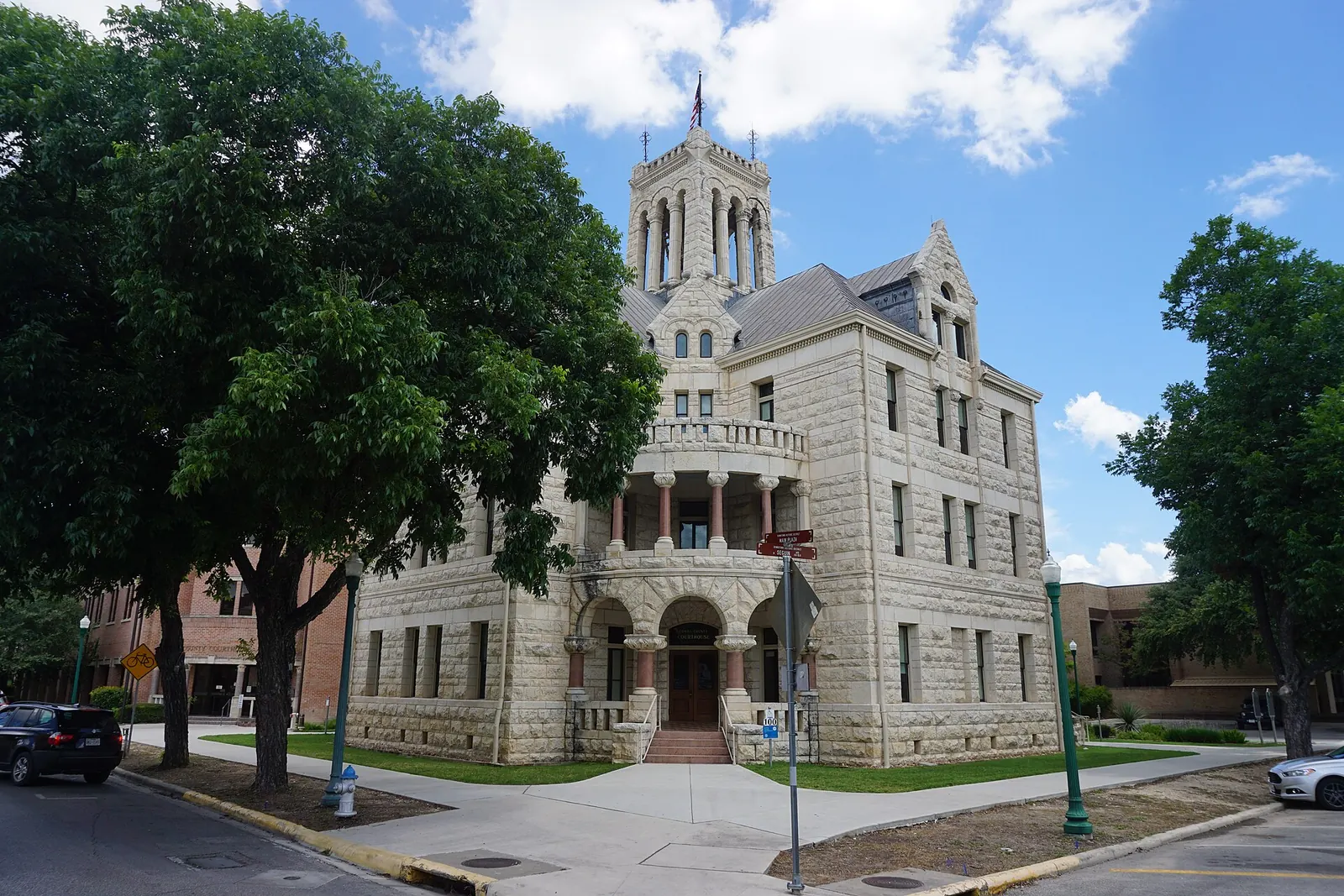
A case is generally filed in the county where the proposed ward lives or is located. In Comal County, guardianship applications are filed with the County Clerk and heard in a County Court at Law. Attorneys must e-file. Residents on the Guadalupe County side of New Braunfels typically file in Seguin. See our page on probate and guardianship in Comal County for local details.
Step 4: Appointment of an Attorney Ad Litem
Once the application is filed, the court appoints an attorney ad litem to represent the proposed ward. This lawyer meets with the proposed ward, reviews the medical evidence, explains the case in terms the proposed ward can understand, and tells the court whether the proposed ward agrees or objects. The attorney ad litem advocates for the proposed ward, not for the family filing the case.
In some cases, the court may also appoint a guardian ad litem to investigate what is in the proposed ward's best interest, or appoint an interpreter if needed.
Step 5: Notice and Service
Texas law requires formal notice. The proposed ward must be personally served with the application and a citation, usually by a sheriff or constable. Notice is also posted, and certain relatives and other interested people must receive notice by mail. The law sets a minimum waiting period between service and the hearing, so the hearing cannot happen the day after filing in a regular case.
Proper notice protects the proposed ward's right to be heard. Mistakes in notice can delay the case or even undo an order later, so this step deserves care.
Step 6: The Hearing
At the hearing, the applicant presents evidence. In most adult cases that includes the physician's certificate and testimony from the proposed guardian and others who know the proposed ward. The proposed ward is generally entitled to attend, and the attorney ad litem may question witnesses or present evidence.
The court must find by clear and convincing evidence that the proposed ward is incapacitated, that a guardianship is in their best interest, and that their rights or property will be protected by the appointment, along with the other findings required by Estates Code §1101.101. The court also confirms that the proposed guardian is eligible and not disqualified under §1104.351.
If the case is contested, it may involve more hearings, discovery, mediation or a jury. See contested guardianship. If an emergency arises before the hearing, see temporary guardianship. Hearings in the County Courts at Law are set through the Court Administrator with a Motion to Set.
Step 7: The Order, Oath and Bond
If the judge grants the guardianship, the court signs an order that names the guardian, states whether the guardianship is full or limited, lists the guardian's powers and the rights the ward keeps, and sets the bond amount. In Comal County, signed orders from the County Court at Law Clerk's office are made available through re:SearchTX rather than emailed.
The guardian must then qualify by taking an oath and posting any required bond within the deadline set by law, generally 20 days after the order. The bond protects the ward's property. Its amount depends largely on the value of the estate and the income it produces. A guardian of the person only, with no estate to manage, often has a smaller bond.
Step 8: Training, Registration and Letters
Most proposed guardians must complete the statewide guardianship training through the Judicial Branch Certification Commission and register the guardianship. Texas attorneys, certified guardians, corporate fiduciaries and guardians appointed before June 1, 2018 are exempt. Many courts want proof of training on file, so plan to complete it early.
Once the guardian qualifies, the clerk issues letters of guardianship. These are the official papers a guardian shows to banks, doctors, care facilities and government agencies to prove their authority. Letters may need to be renewed periodically, so keep track of their dates.
After the Case: Ongoing Duties
The work continues after letters issue. A guardian of the estate must file an inventory soon after qualifying. Guardians file annual reports or accounts, and guardians of wards 60 or older, or of wards with dementia, must complete annual dementia training. Our guardian duties and reporting page explains these obligations. If circumstances change, see restoration and modification. You can read the statutes using the searchable Estates Code on our tools page.
Get Help Moving Through the Steps
A guardianship case has many moving parts, and small mistakes can cause long delays. Our firm can guide you from the first conversation through the day you receive letters. Call (830) 217-5008 or reach out on our contact page to schedule a time to talk.
Frequently asked questions
How long does a Texas guardianship take?
An uncontested case often takes several weeks to a few months, depending on how quickly the physician's certificate is ready, service is completed and the court can set a hearing. Contested cases take longer.
What are letters of guardianship?
Letters of guardianship are official documents issued by the clerk after the guardian qualifies. They prove the guardian's authority to banks, doctors and agencies.
Does the proposed ward have to come to court?
The proposed ward is generally entitled to attend. The physician's certificate addresses whether attending is possible, and the court can decide how to handle it.
Why does the guardian need a bond?
A bond protects the ward's property if the guardian mismanages it. The court sets the amount based mainly on the value of the estate and its income.
Where is a guardianship filed in Comal County?
Guardianship applications in Comal County are filed with the County Clerk and heard in one of the County Courts at Law.