
What a Default Divorce Is
A default divorce happens when the respondent, the spouse who did not file, is legally served with the divorce petition and fails to file an answer or otherwise appear by the deadline. Because the respondent has not participated, the court can move forward and grant the divorce based on the petitioner's evidence.
A default does not mean you automatically get everything you ask for. The judge still has to find that the requirements for divorce are met and that the proposed property division is just and right. If children are involved, the judge must also be satisfied that the parenting and support terms serve the children's best interest. The decree also cannot grant more than what was requested in your petition, which is one reason the petition should be drafted carefully from the start.
When Default May Be an Option
Default divorces tend to come up in a few common situations:
- Your spouse was served but refuses to engage, perhaps hoping to stall the case.
- Your spouse has moved out of state, or out of the country, and has no interest in the outcome.
- You have been separated for a long time and do not know where your spouse is living.
- Your spouse agrees with the divorce but does not want to sign anything.
If your spouse is willing to sign, a waiver of service and an agreed decree are often simpler and leave the result less open to challenge. See uncontested divorce.

Step One: Proper Service
Everything in a default case depends on valid service. If service is defective, the default decree can be set aside later, sometimes years later. After the petition is filed with the Comal County District Clerk, the clerk issues a citation. The citation and petition, along with the Comal County Standing Order, are then delivered to your spouse.
Personal service
The most reliable option is personal delivery by a sheriff, constable or certified private process server. The server files a return of service showing when and how your spouse was served. As of 2026, the District Clerk's fee schedule lists $85 for sheriff service (fees change).
Alternative service
If attempts at personal service fail, you can ask the court to approve another method, such as leaving the papers with an adult at your spouse's home or, in some cases, serving electronically through a social media account or email the spouse is known to use. You must support the request with a sworn statement describing the attempts made.
Service by publication
If you truly cannot locate your spouse after a diligent search, the court may allow service by publication. Texas courts expect a real search first: checking with relatives and friends, former employers, social media, and public records. Divorces after publication come with extra requirements, and the court may appoint a lawyer to represent the absent spouse's interests. A decree based on publication can also be easier to challenge, so it should be a last resort.
Step Two: Waiting for the Answer Deadline
In Texas, a served respondent generally has until 10:00 a.m. on the Monday after 20 days from the date of service to file an answer. For service by publication, the deadline is calculated from the date the citation was issued, under different rules. If the respondent files any answer before the default is taken, even a short letter to the court, the case is no longer a default case and must proceed as a contested or agreed case.
Separately, the 60-day waiting period under Tex. Fam. Code §6.702 still applies. The court cannot grant the divorce until at least 60 days after the petition was filed, even if the answer deadline passed long before.
Step Three: Proving Up the Default
Once the answer deadline and the 60-day wait have both passed, you can ask the court to grant the divorce. That usually involves:
- Checking the file. The return of service must be on file with the clerk for the required time before the default is taken, and no answer can be on file.
- A military status affidavit. Federal law protects active-duty service members from default judgments, so you must file a sworn statement about whether your spouse is in the military. If your spouse serves, special protections apply. See military divorce.
- A certificate of last known address. This lets the clerk mail notice of the default decree to your spouse.
- Testimony. You give evidence of residency, the grounds for divorce, the property and debts, and, if there are children, the facts that support the parenting and support terms you request. In Comal County, it depends on the court whether this is done at a short hearing or by affidavit. See uncontested prove-up.
- A proposed decree. The decree should match what your petition asked for and should be specific enough to enforce.
Can a Default Divorce Be Undone?
Yes, in some circumstances. A spouse who did not answer may ask for a new trial within 30 days after the decree is signed, generally by showing that the failure to answer was not intentional, that there is a real defense, and that a new trial would not unfairly harm the other side. Later challenges, such as a restricted appeal or a bill of review, are possible in limited situations, especially if service was defective. This is why careful service and a well-supported prove-up matter. A decree built on solid service and honest evidence is much harder to attack.
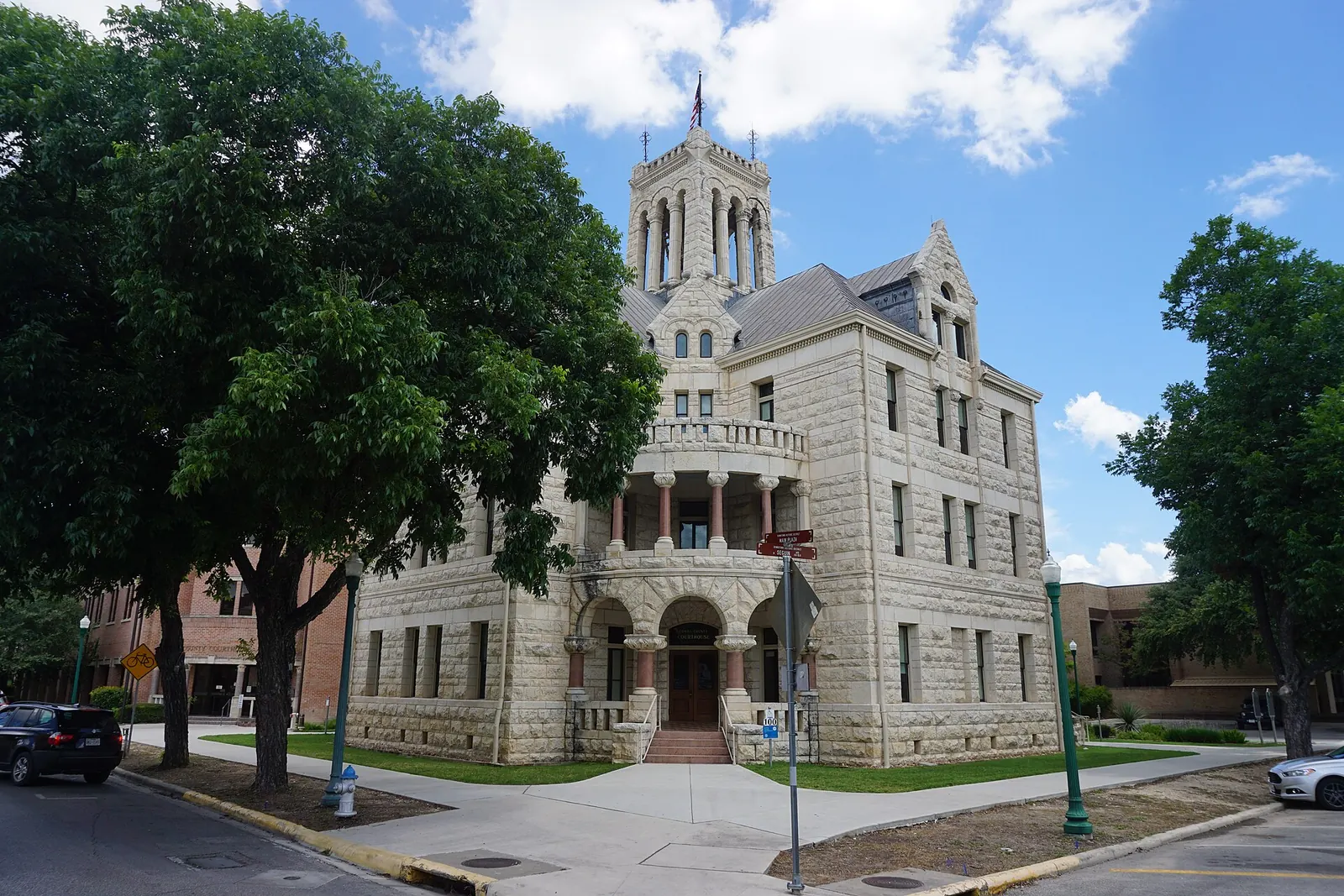
Property and Children in a Default Case
The court divides the community estate in a way it finds just and right, even in a default. You will need evidence of what the property is worth and why your proposed division is fair. Retirement accounts may still need a separate division order the plan will accept. See property division. For children, the court will look closely at the proposed schedule and child support. You can estimate guideline support with our free child support calculator, but the judge has to approve the amount.
Let Us Help You Move Forward
If your spouse is ignoring the divorce, or you do not know where your spouse is, you still have options. Our firm helps clients in New Braunfels and across Comal County handle service and default cases carefully so the result holds up. Call (830) 217-5008 or contact us through our online form.
Frequently asked questions
How long do I have to wait before asking for a default?
Your spouse generally has until 10:00 a.m. on the Monday after 20 days from service to answer. Even after that, the court cannot grant a divorce until at least 60 days after you filed.
What if I cannot find my spouse?
You may be able to use alternative service or, as a last resort, service by publication. The court will expect proof of a diligent search before allowing either one.
Will I get everything I asked for in a default divorce?
Not automatically. The judge must still find your property division just and right and, with children, that the parenting and support terms serve their best interest.
Can my spouse reopen the case later?
Possibly. A spouse can ask for a new trial within 30 days of the decree, and other challenges are possible in limited cases, particularly if service was defective.